
Travel books are supposed to inspire us.
But sometimes they also quietly distort what travel really looks like—especially for ordinary people planning trips with budgets, schedules, responsibilities, and expectations that don’t include disappearing across three continents for a year.
Few books illustrate this better than Eat Pray Love.
Yes, it’s emotional. Yes, it’s beautifully written. Yes, it changed how millions of people think about travel.
But it also created one of the most unrealistic travel expectations of the modern era.
Let’s talk about why.
The Travel Dream It Sold — And Why It’s Not Realistic
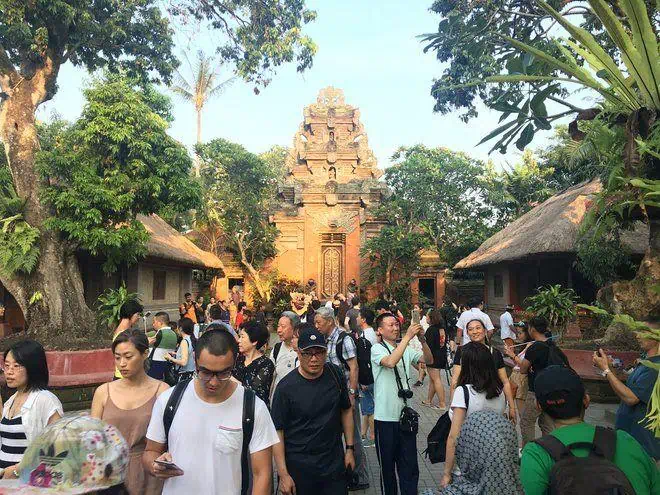
The book follows a personal journey through Italy, India, and Indonesia in search of healing and meaning.
There’s nothing wrong with that.
What is questionable is the idea it quietly promotes:
Travel alone will fix your life.
For most travelers, this simply isn’t true.
Travel can:
✔ refresh perspective
✔ create clarity
✔ build confidence
But it rarely solves deeper emotional problems on its own.
Yet the book made it sound like geography itself was therapy.
That’s powerful storytelling—but weak travel advice.
The Hidden Privilege Nobody Talks About
One reason the book resonated so widely is because it presented a dream many people secretly have:
leave everything behind and reset life somewhere beautiful.
But what the book doesn’t openly address is this:
long-term self-discovery travel requires resources most people don’t have.
Time
Money
Visa flexibility
Career flexibility
Support systems
For the average traveler planning a 5-day or 10-day trip, this narrative can feel inspiring at first—and disappointing later.
Because their trip doesn’t feel “life-changing enough.”
That expectation gap matters.
The “Find Yourself Through Travel” Myth
Travel influencers today still repeat the same promise:
“Go somewhere new and discover who you really are.”
But most travelers actually need something simpler:
a safe place to stay
a convenient location
a manageable budget
a comfortable experience
That’s not poetic.
But it’s real travel.
And real travel decisions matter more than romantic travel fantasies.
The Bali Effect: How One Book Changed a Destination Forever
After Eat Pray Love, Bali stopped being just a destination.
It became a symbol.
Suddenly people arrived expecting:
spiritual transformation
instant clarity
meaningful encounters
personal breakthroughs
Instead, many found:
traffic
crowds
tourist zones
Instagram yoga retreats
The difference between expectation and reality was enormous.
Books can shape destinations—but not always honestly.
Why This Book Still Matters (Even If It’s Misleading)
To be fair, Eat Pray Love did something important:
It gave people permission to travel differently.
It encouraged:
solo travel
slow travel
emotional travel
reflective travel
Those are valuable ideas.
The problem is not the journey itself.
The problem is treating one person’s experience as a universal travel blueprint.
A Smarter Way to Use Travel (The HotelsBookie Perspective)
Travel works best when it helps you make better decisions, not escape decisions.
Instead of expecting transformation from a destination, ask:
Where should I stay to reduce stress?
Which area improves my experience most?
What location makes my trip easier and safer?
These questions change trips dramatically.
And they’re the kind of questions most travel books don’t answer.
Final Verdict: Inspiring Story, Risky Travel Advice
Eat Pray Love is a powerful memoir.
But it’s not a reliable guide to how travel actually works for most people.
It sells emotion better than logistics.
It celebrates escape more than planning.
And it reminds us why smart travel decisions matter just as much as beautiful travel dreams.